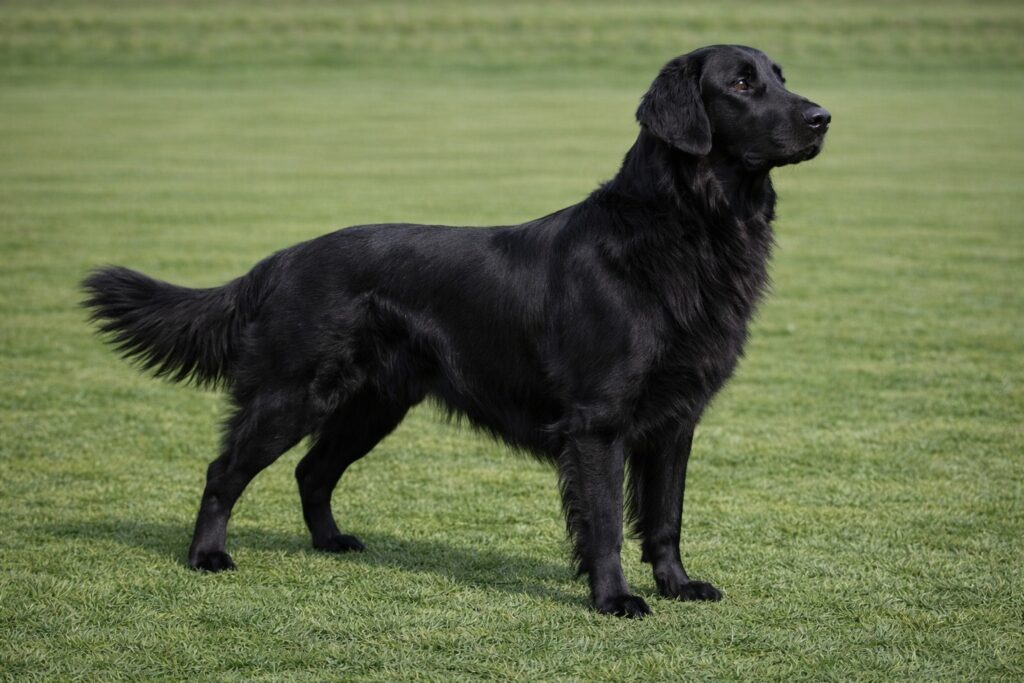
Flat-coated Retriever
Refined by British sportsmen in the 1800s, the Flat-Coated Retriever emerged as a versatile gundog, combining grace, stamina, and an exceptional instinct for retrieving game from both water and field.

Refined by British sportsmen in the 1800s, the Flat-Coated Retriever emerged as a versatile gundog, combining grace, stamina, and an exceptional instinct for retrieving game from both water and field.
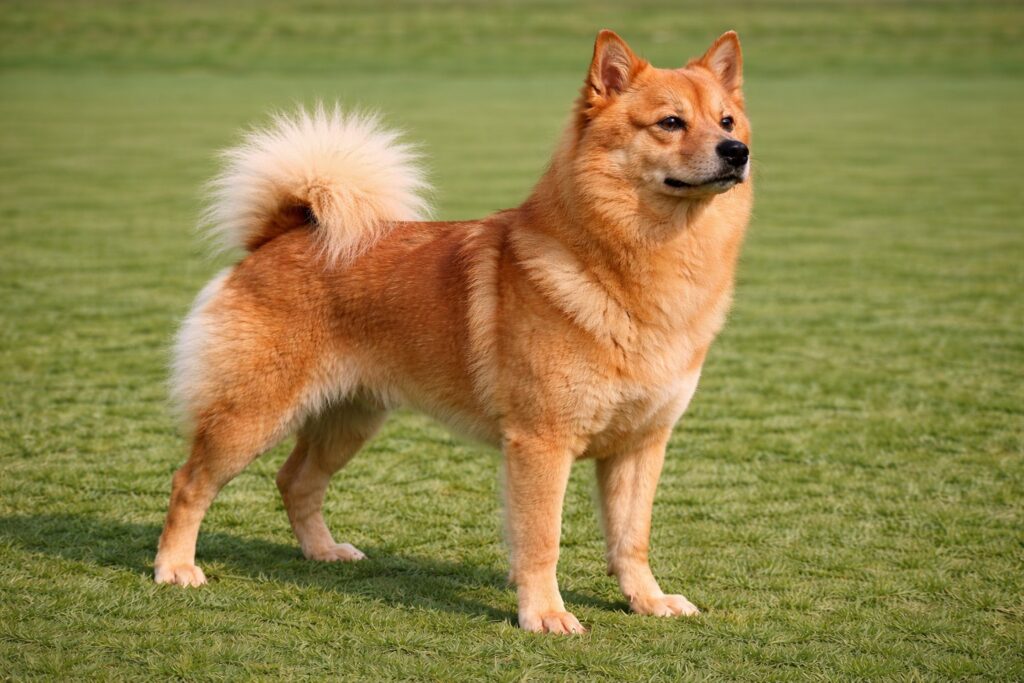
One of the oldest Nordic hunting dogs, the Finnish Spitz has worked the forests of Finland for thousands of years, prized for its intelligence, bold character, and natural instinct for finding game.
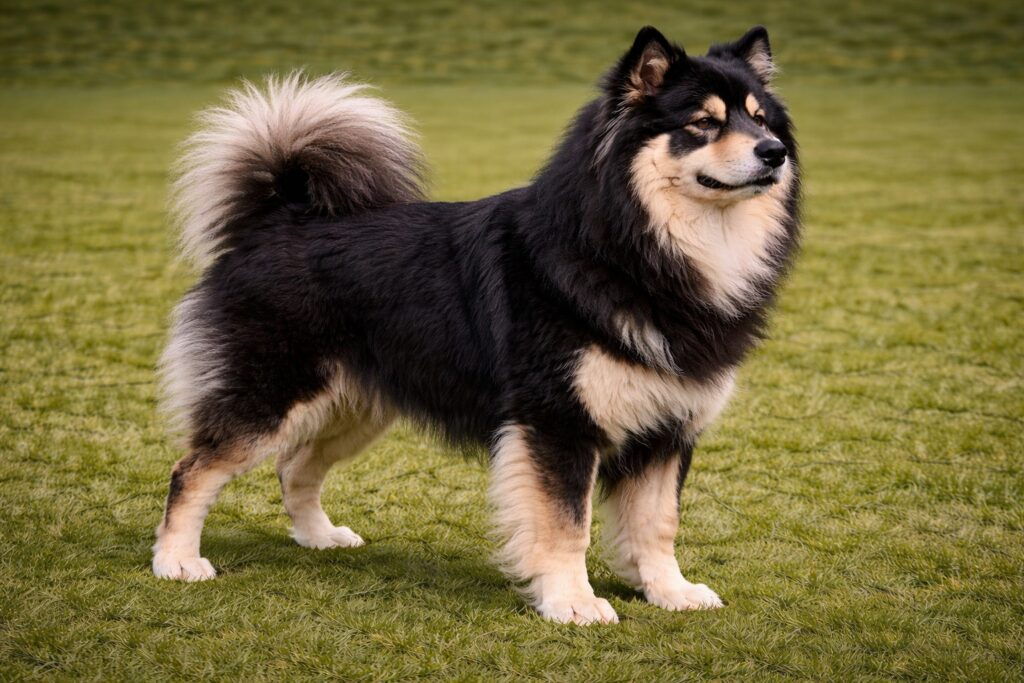
For centuries the faithful companion of the Sámi people, the Finnish Lapphund is a hardy Arctic herding dog prized for its intelligence, resilience, and natural talent for working reindeer across the vast northern tundra.
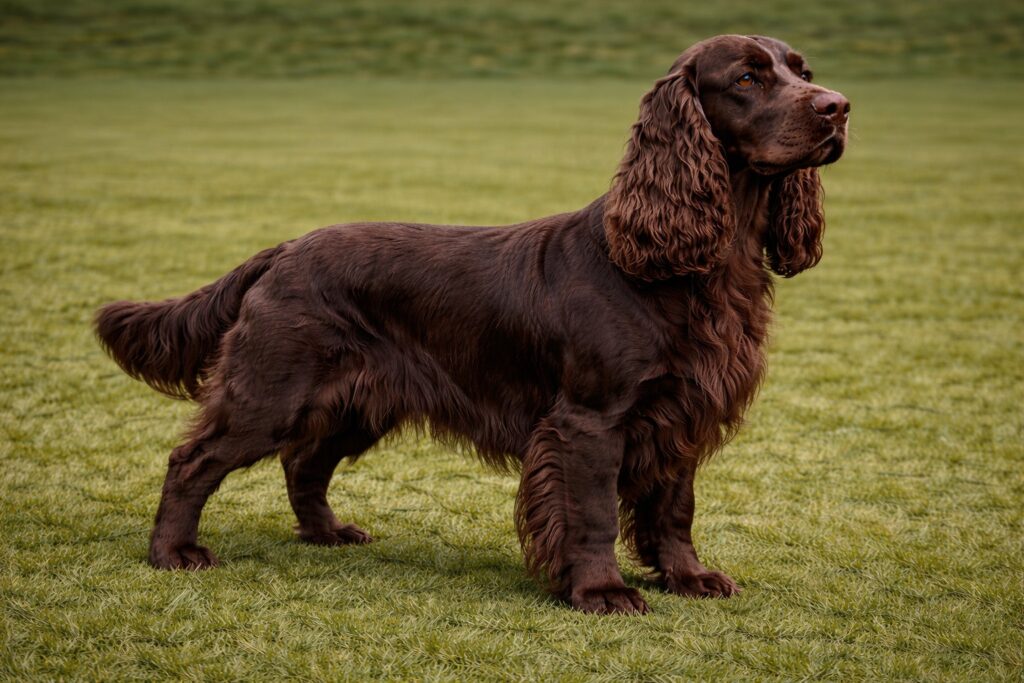
Once distinguished from cockers mainly by weight, the Field Spaniel was refined in Britain into a sturdy sporting dog prized for its graceful build, keen nose, and steady determination in the field.
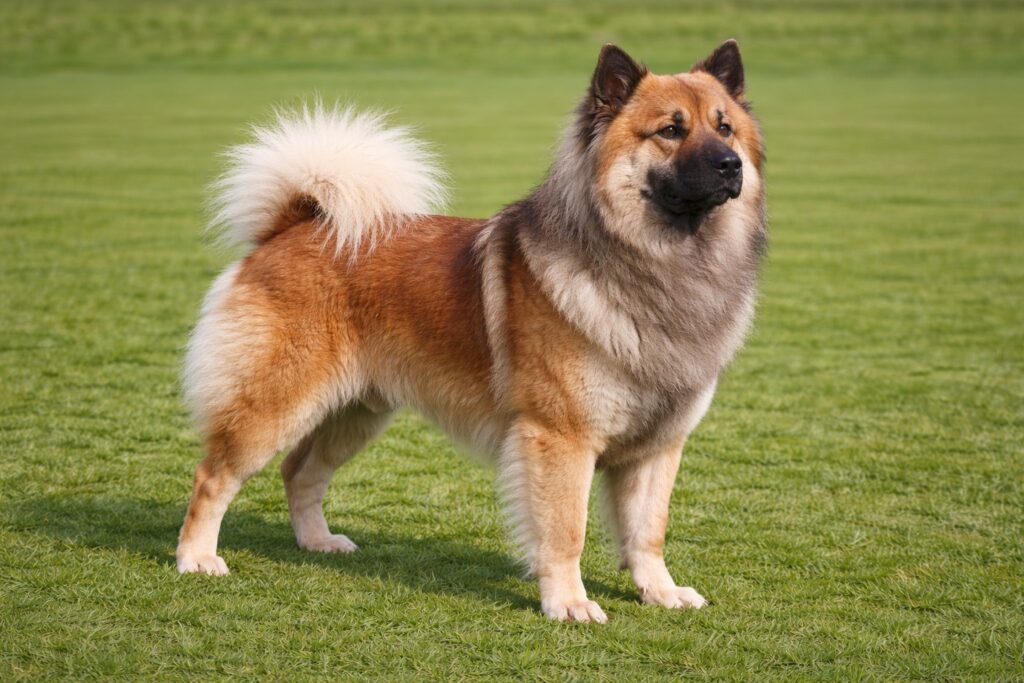
Developed in Germany during the 1960s by carefully combining the Chow Chow, German Spitz, and later the Samoyed, the Eurasier was created to embody the beauty of northern spitz dogs while offering the calm temperament and loyalty of an ideal family companion.
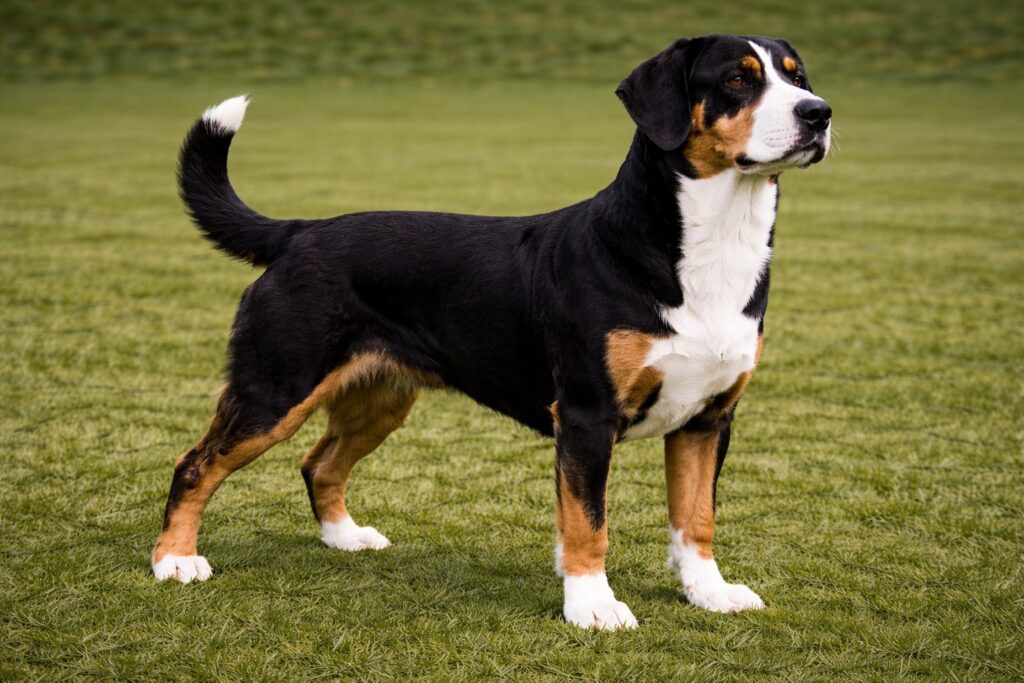
Developed in the Entlebuch valley of Switzerland, the Entlebucher Mountain Dog is a compact and energetic cattle driver, long valued by alpine herdsmen for its intelligence, endurance, and fearless work guiding livestock through steep mountain landscapes.
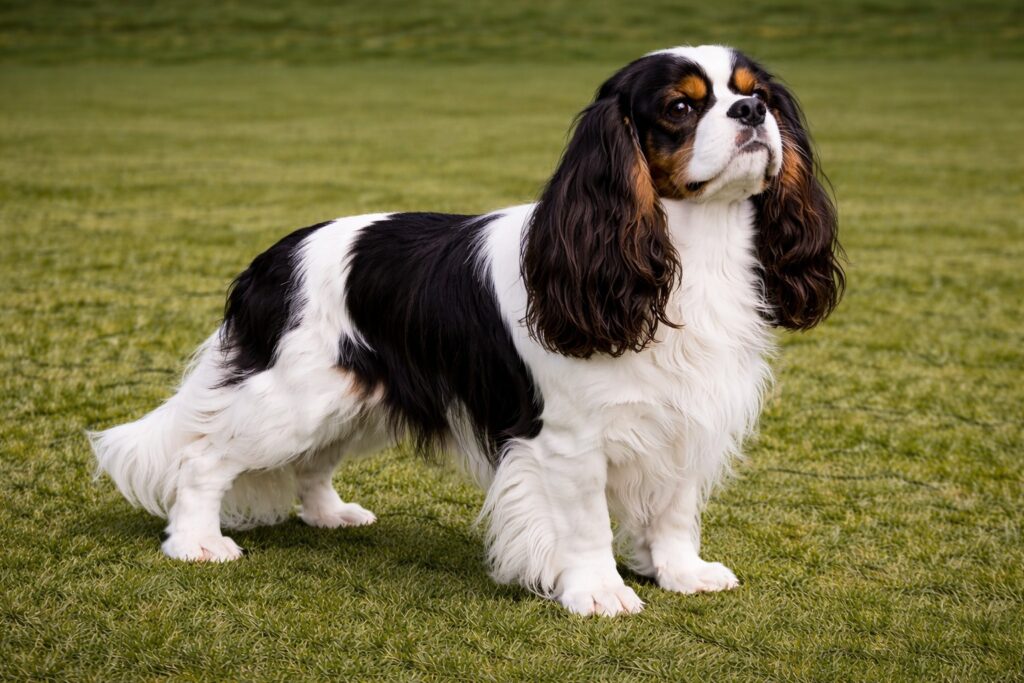
Beloved by monarchs and aristocrats since the 17th century, the English Toy Spaniel evolved from small royal spaniels into a graceful companion prized for its sweet disposition, loyalty, and unmistakable regal charm.
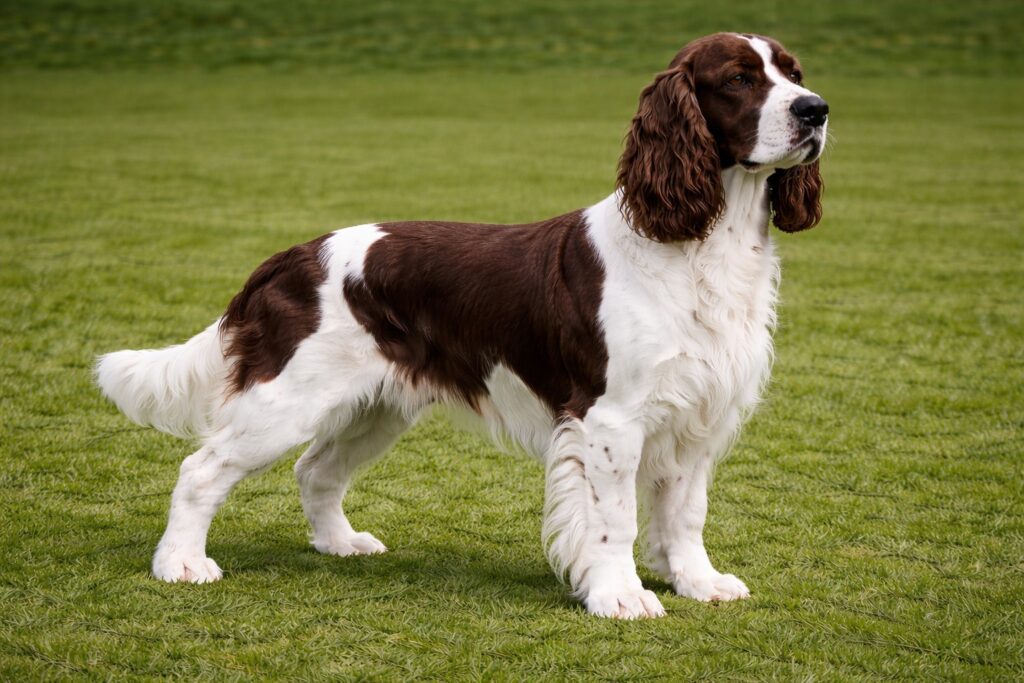
Developed in Britain to flush and retrieve game, the English Springer Spaniel became a versatile hunting companion prized for its stamina, keen nose, and enthusiastic working style.
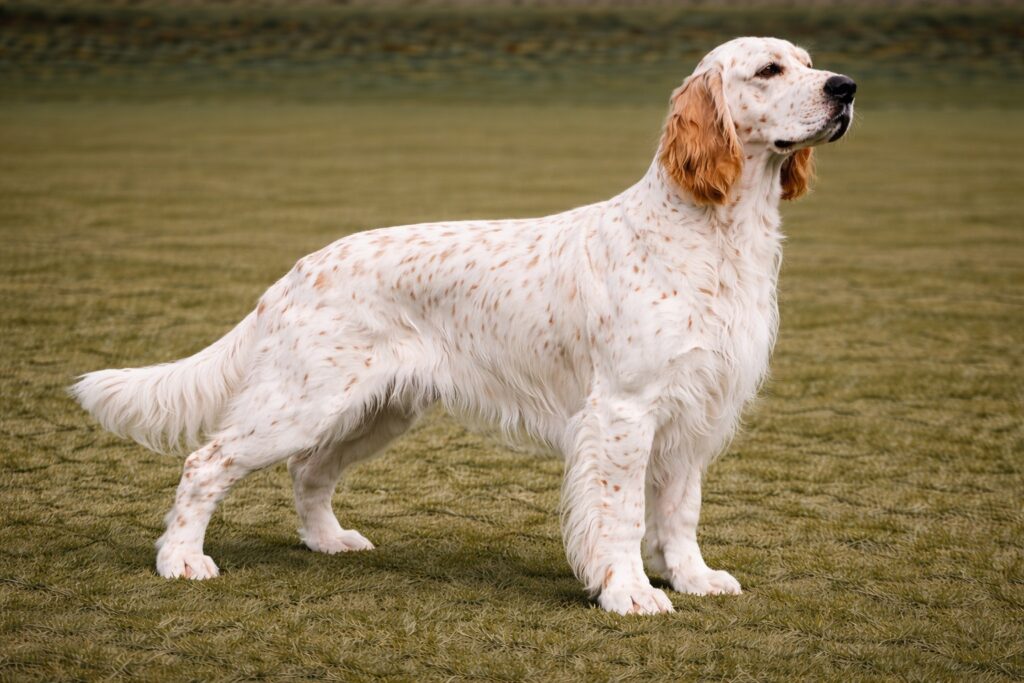
Refined in Britain during the 19th century, the English Setter became a distinguished gun dog valued for its elegance, endurance, and remarkable bird-finding ability.
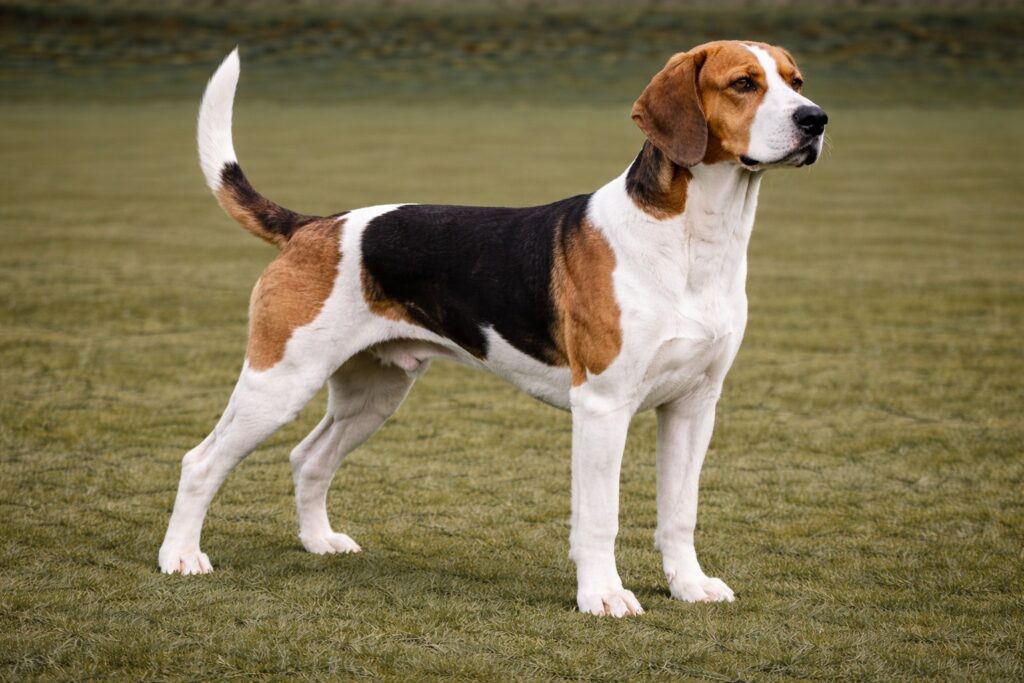
Developed in Britain for mounted fox hunting, the English Foxhound was bred for speed, stamina, and a powerful nose to pursue fox across open countryside.
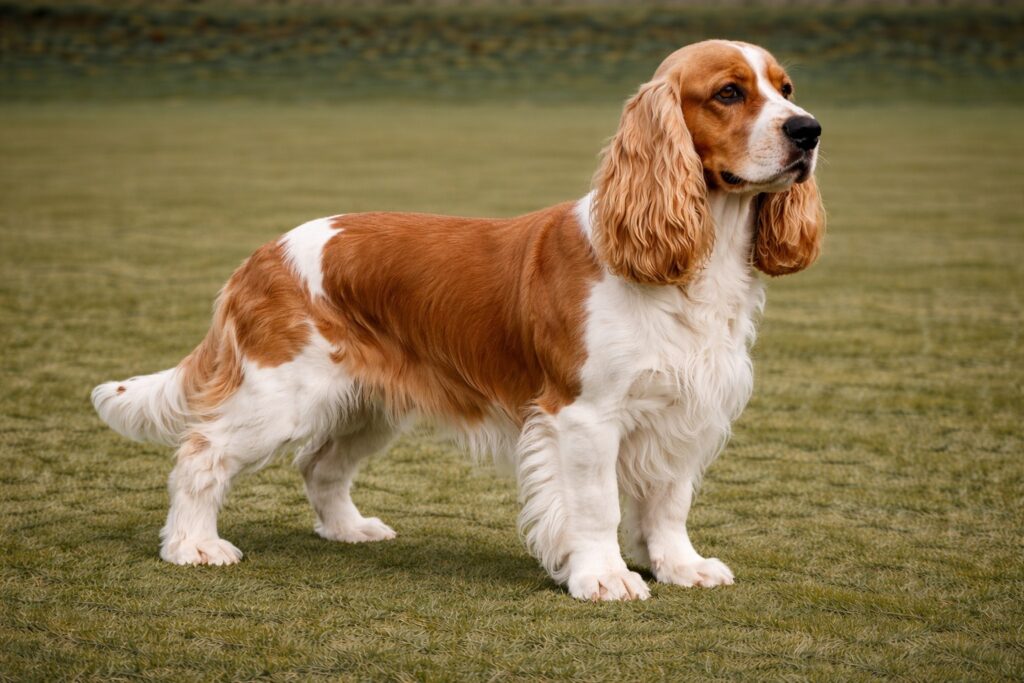
Developed in Britain as a skilled flushing dog, the English Cocker Spaniel was bred to work through dense undergrowth to flush woodcock and other game birds for hunters.
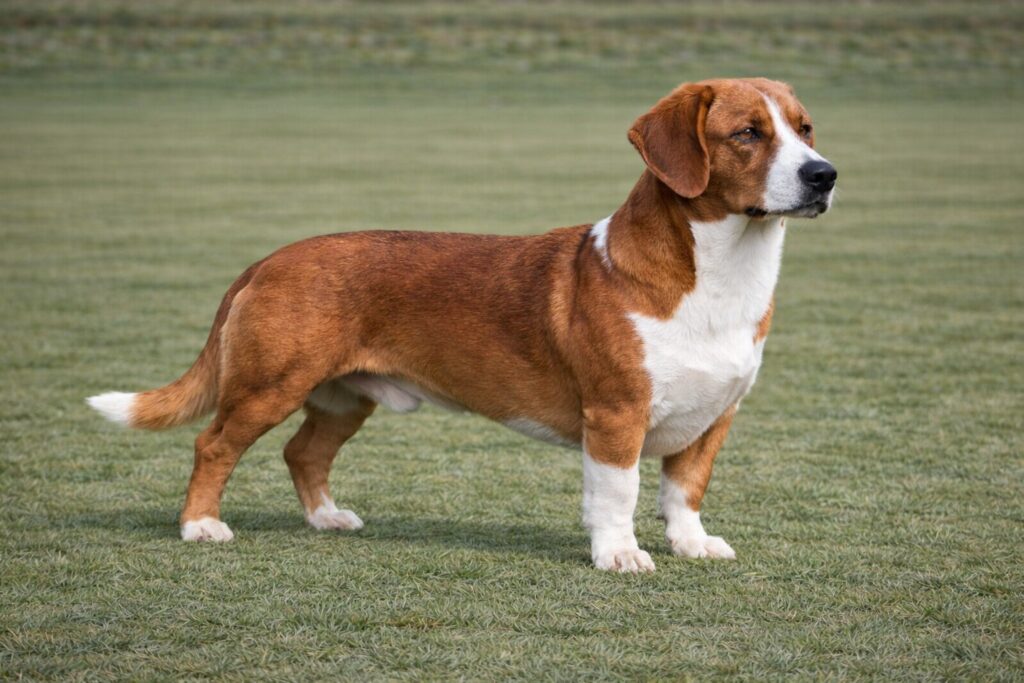
Originally developed in Sweden as a short-legged scent hound, the Drever was bred to track and drive game such as deer through dense forests with endurance and determination.
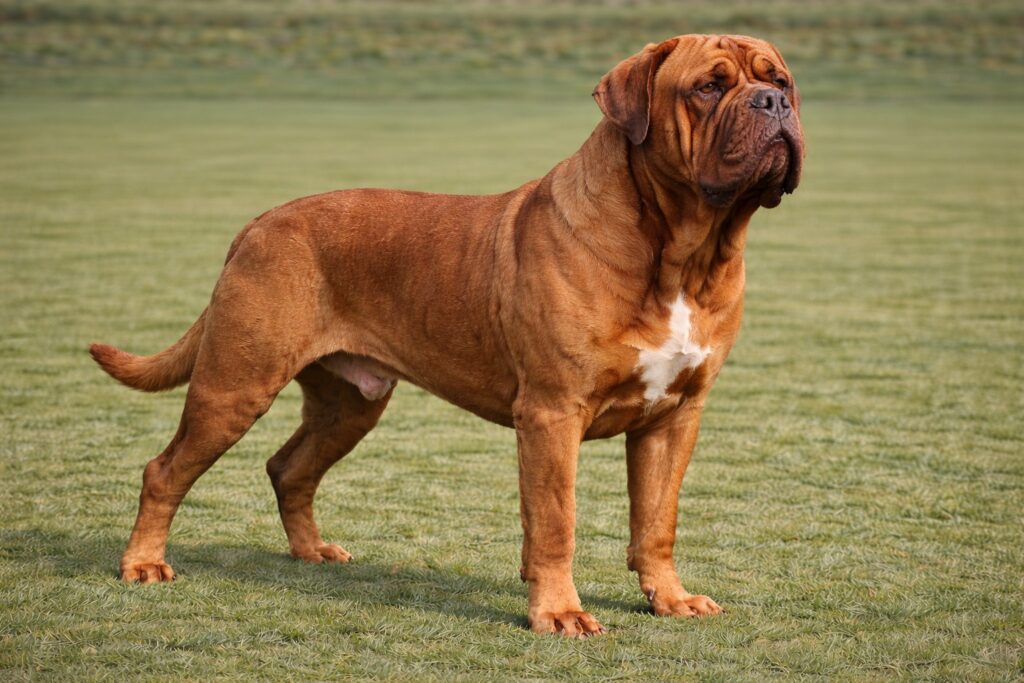
The Dogue de Bordeaux is an ancient French mastiff from the Aquitaine region, historically used for guarding estates, hunting large game, and fighting animals such as bulls and bears, and today valued as a powerful yet devoted guardian of the home.
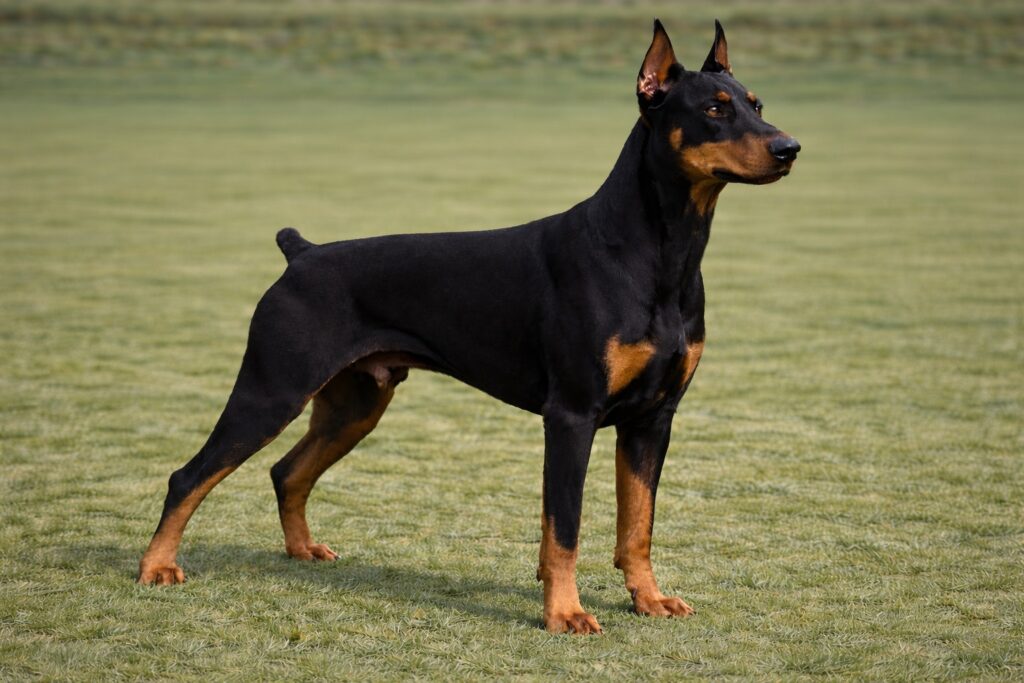
The Doberman Pinscher is a German protection breed developed in the late 19th century by tax collector Karl Friedrich Louis Dobermann, bred to be a loyal guardian and fearless companion during his dangerous rounds.
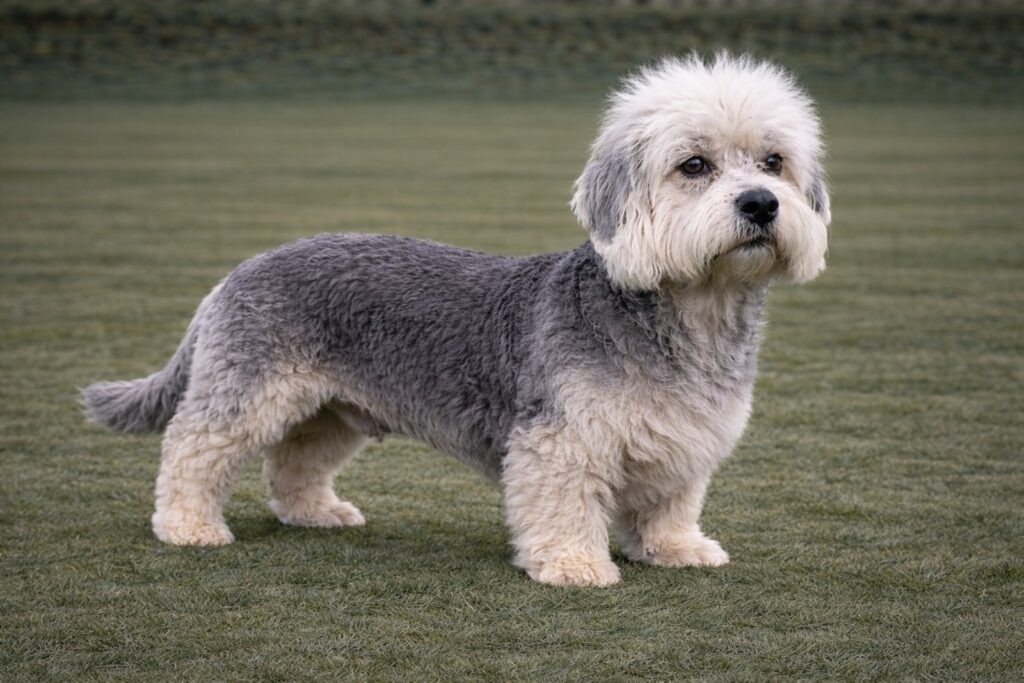
The Dandie Dinmont Terrier is a historic Scottish working terrier, famously named after a fictional character in Sir Walter Scott’s novel, developed to pursue badger, fox, and otter in rough countryside.
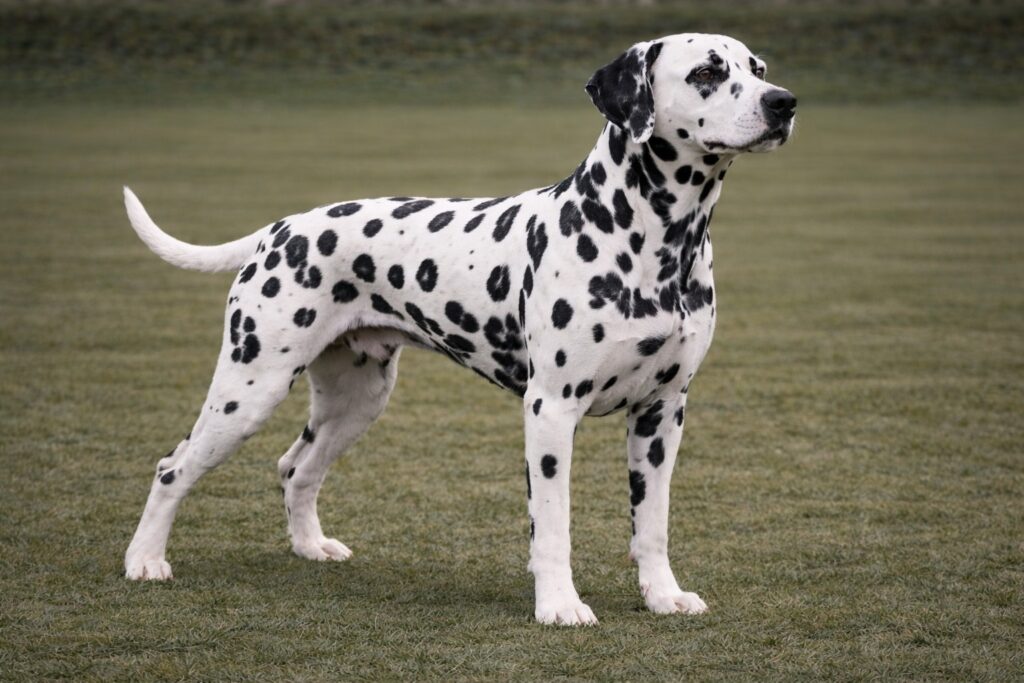
The Dalmatian is a historic carriage dog believed to originate from the Dalmatia region of Croatia, developed to accompany and guard horse-drawn coaches while traveling long distances.