
Akita
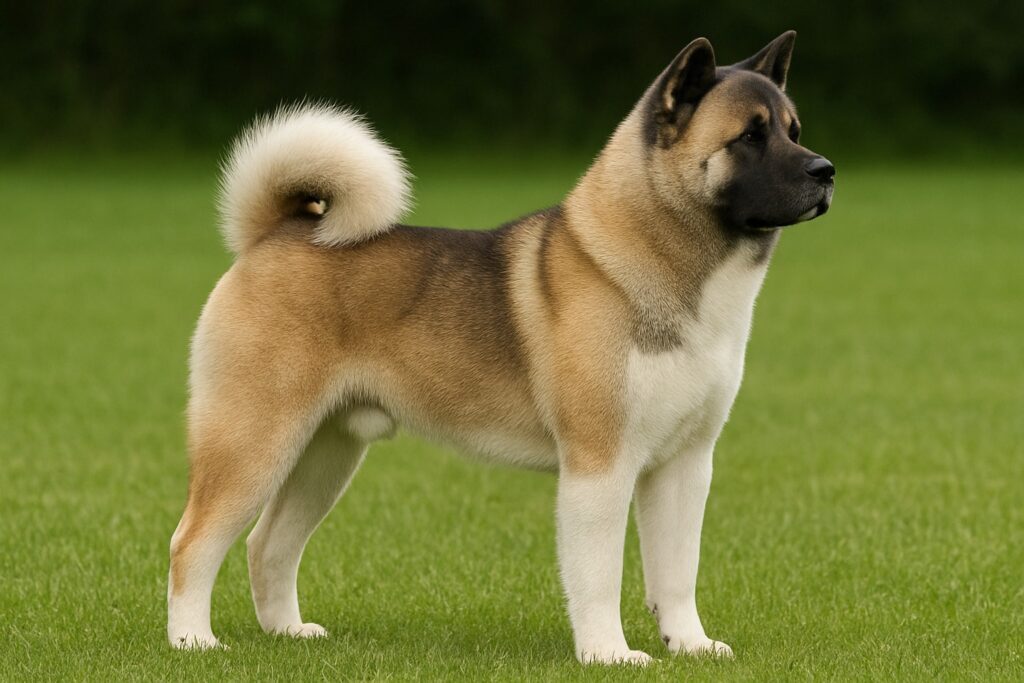
The Akita is a powerful and dignified working breed originating in Japan, developed for guarding and large game hunting. Known for its loyalty, courage, and strong protective instincts, it forms deep bonds with its family while maintaining a calm and watchful presence.
Breed Traits
Historical Origin Representation
Breed Overview
Origin & Historical Purpose
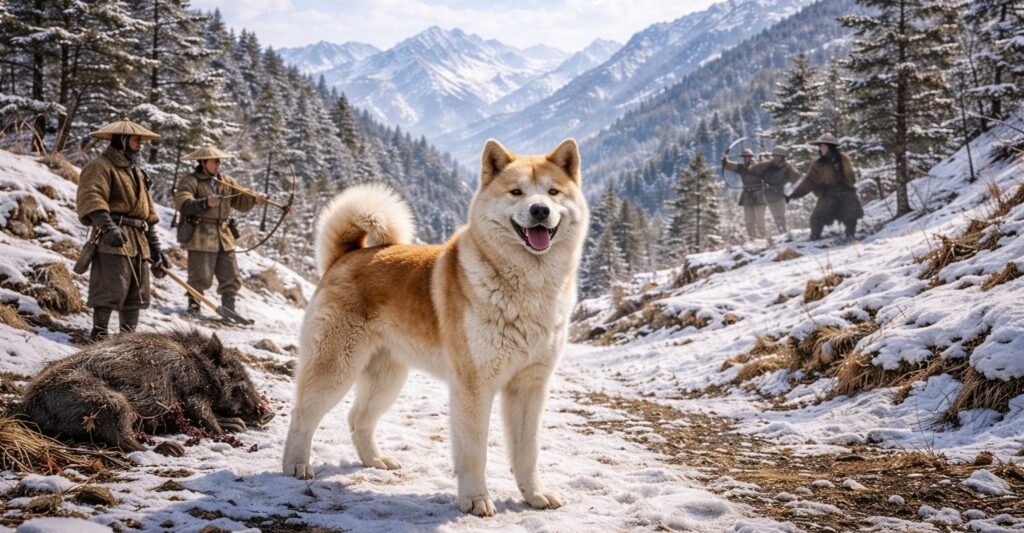
The Akita originated in Japan, specifically in the mountainous regions of the Akita Prefecture, where it was developed as a large and powerful hunting and guarding dog. Historical records trace the breed back to at least the 1600s, when it was used for hunting large game such as wild boar, deer, and even bear. Over time, the breed also became a symbol of loyalty and status in Japanese culture. The Akita was introduced to North America in the 20th century and was officially recognized by the American Kennel Club in 1972. The breed had already been recognized in Canada by the Canadian Kennel Club in 1939, where it is classified in the Working Group.
Physical Standard & Breed Characteristics
The Akita is a large, heavily boned, and well-balanced breed with a powerful, muscular build. Adult males typically stand between 26 and 28 inches at the shoulder, while females generally measure between 24 and 26 inches. Mature weight commonly ranges from 70 to 130 pounds depending on sex and overall structure. The breed has a dense double coat consisting of a soft undercoat and a straight, harsh outer coat designed for cold climates. Acceptable colors include red, brindle, white, and pinto, with clear markings and strong pigmentation. The broad head, erect triangular ears, dark eyes, and large curled tail carried over the back are defining characteristics of the breed standard.
Temperament & Behavioral Profile
The Akita is known for its loyalty, courage, and reserved nature. The breed tends to be deeply devoted to its immediate family while remaining naturally wary of strangers. It is typically quiet and not excessively vocal, but it possesses strong protective instincts and territorial awareness. Early and consistent socialization is essential to promote stability and balanced behavior, particularly given the breed’s natural independence and assertiveness. While affectionate with trusted individuals, the Akita is not generally overly demonstrative and often displays a dignified and composed demeanor.
Exercise & Mental Requirements
Exercise requirements are moderate to high. Although the Akita does not typically exhibit hyperactivity, it requires regular daily exercise to maintain physical condition and mental stability. Structured walks, controlled play sessions, and purposeful activities such as obedience training or advanced training work are beneficial. Because of its strong prey drive and guarding instincts, secure containment is important, and off-leash freedom should only occur in safely enclosed areas.
Grooming & Maintenance
Grooming needs are moderate but seasonal shedding is significant. The thick double coat requires regular brushing to remove loose hair and maintain skin health. During seasonal coat blows, heavy shedding occurs and more frequent grooming is necessary. Routine nail trimming, ear cleaning, and dental care are essential components of overall maintenance. While the coat naturally repels dirt to some extent, periodic bathing is recommended to maintain cleanliness.
Health Overview & Recommended Testing
The Akita has an average lifespan of approximately 10 to 13 years and is generally a strong, resilient breed when responsibly bred. Due to its large size and structure, hip dysplasia remains an important concern within the breed. Akitas are also known for a higher incidence of certain immune-related conditions, particularly autoimmune thyroiditis and sebaceous adenitis. As a large, deep-chested dog, the breed is at risk for gastric dilatation-volvulus, commonly known as bloat, a serious emergency condition. Responsible breeding programs commonly include hip evaluations, thyroid testing, ophthalmologic examinations, and cardiac screening.