
Affenpinscher
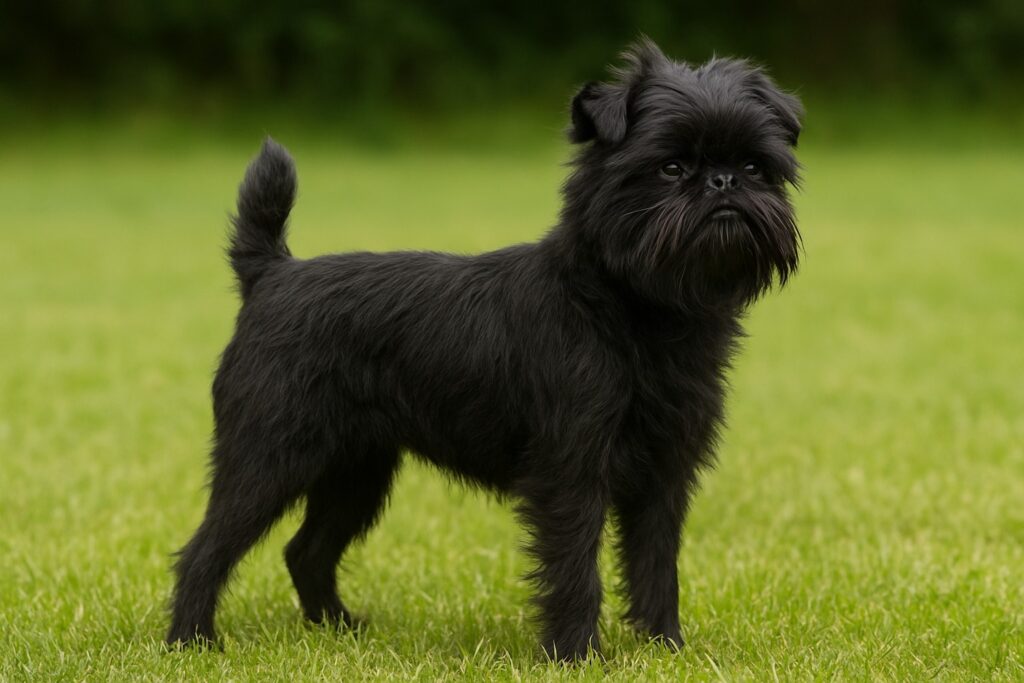
The Affenpinscher is a small German breed developed in the late 19th century as a ratting and companion dog. Known for its bold personality and expressive face, it combines alertness with charm.
Breed Traits
Historical Origin Representation
Breed Overview
Origin & Historical Purpose
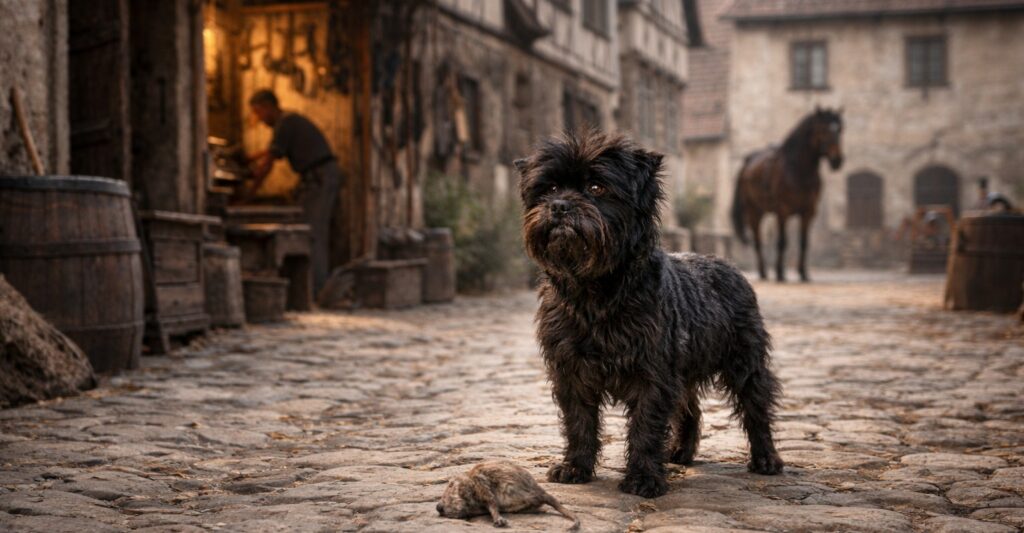
The Affenpinscher originated in Germany in the 1600s, where it was developed as a small ratting dog for homes, shops, and stables. The breed gradually decreased in size during the 18th and 19th centuries as it transitioned into a companion role while retaining its working instincts. The Affenpinscher was officially recognized by the American Kennel Club in 1936 and later recognized by the Canadian Kennel Club in 1992, where it is classified in the Toy Group.
Physical Standard & Breed Characteristics
The Affenpinscher is a small, sturdy toy breed with a compact and square build. Adult males and females typically stand between 9 and 11.5 inches at the shoulder and weigh approximately 7 to 10 pounds. The breed is recognized for its harsh, wiry coat that stands off the body and gives a slightly shaggy appearance. The expression is distinctive, often described as “monkey-like,” due to the pronounced beard, mustache, and bushy eyebrows. Accepted colors commonly include black, gray, silver, red, black and tan, and belge. The coat texture is an essential part of the breed standard and should feel firm and rough rather than soft or silky.
Temperament & Behavioral Profile
In temperament, the Affenpinscher is confident, alert, and surprisingly fearless for its size. They form strong bonds with their owners and are typically loyal and affectionate within their household. However, they can be independent, stubborn, and somewhat territorial. Early socialization is important to prevent excessive wariness toward strangers. While playful and entertaining, they are not typically submissive lap dogs; they possess a bold personality and often behave as if they are much larger than they truly are.
Exercise & Mental Requirements
Exercise needs are moderate but consistent. Although small, the Affenpinscher benefits from daily walks and mental stimulation. Short play sessions, interactive toys, and light training exercises help prevent boredom and behavioral issues. Because of their terrier-like instincts, they may chase small animals and should be supervised in unsecured environments. They adapt well to apartment living, provided their mental and physical needs are met regularly.
Lifestyle & Ideal Owner
The Affenpinscher is best suited for individuals or households seeking a small but confident companion with a strong personality. They adapt well to apartment living and urban environments, provided they receive regular interaction and mental engagement. Because of their bold temperament and occasional stubborn streak, they benefit from an owner who enjoys training and maintaining clear boundaries. Affenpinschers often thrive with attentive adults or families with older children who understand how to interact respectfully with small dogs. Their loyal and watchful nature makes them devoted companions for owners who appreciate an alert, expressive, and entertaining household dog.
Grooming & Maintenance
Grooming needs are moderate. The rough, wiry coat should be brushed regularly to remove loose hair and maintain its natural texture. The coat is typically kept in a natural outline but benefits from occasional hand-stripping or light trimming to preserve its characteristic appearance. Shedding is generally low, though routine coat care helps keep the dog neat and well maintained.
Health Overview & Recommended Testing
From a health perspective, the Affenpinscher is generally a hardy breed with an average lifespan of 12 to 15 years. Responsible breeding programs screen for conditions such as patellar luxation, hip dysplasia, Legg-Calvé-Perthes disease, and certain cardiac concerns. Regular ophthalmologic evaluations are also advisable. As with all small breeds, dental care is particularly important to prevent periodontal disease. With proper health testing, responsible breeding, and attentive veterinary care, the Affenpinscher can be a long-lived and robust companion.